
Blog
what makes wool different?

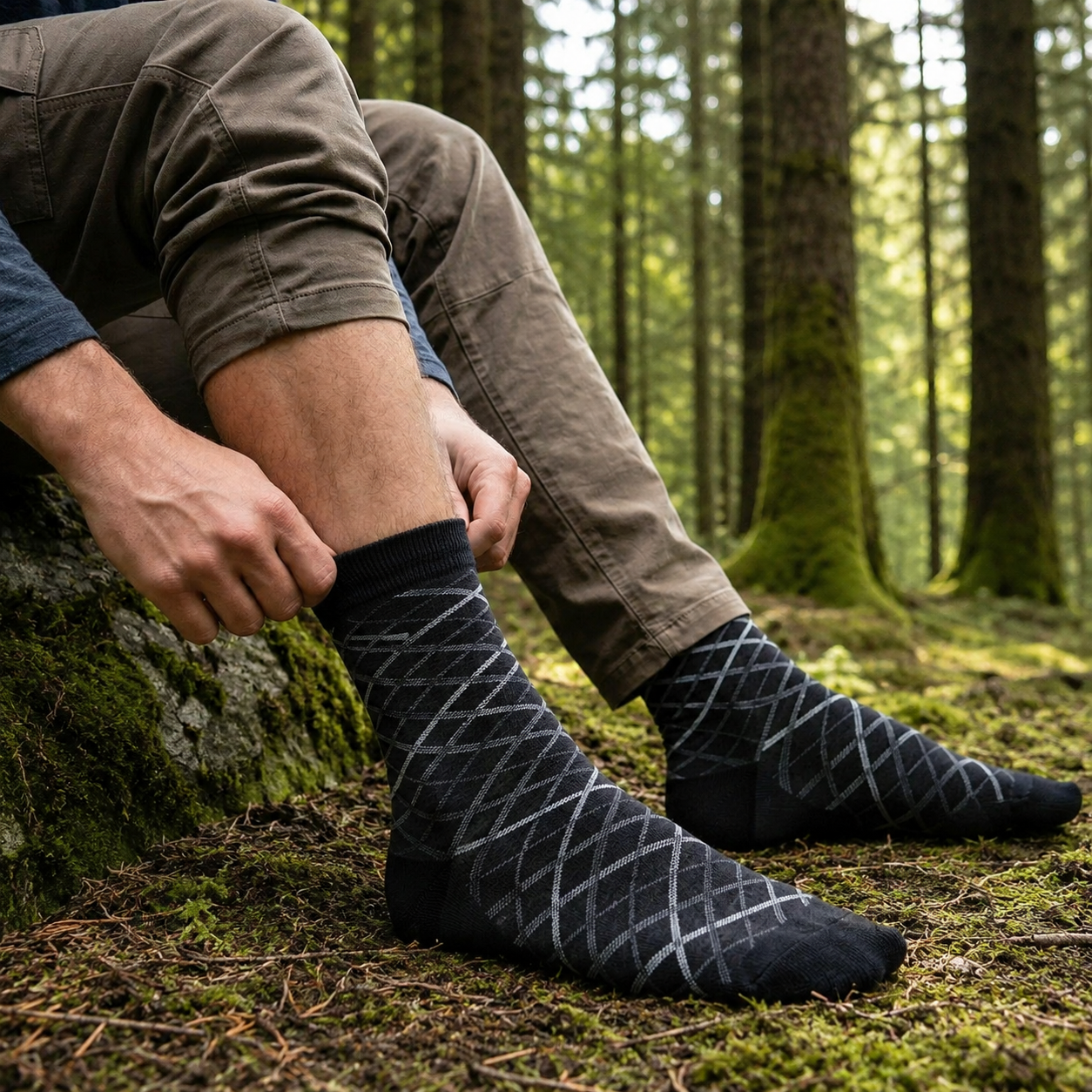
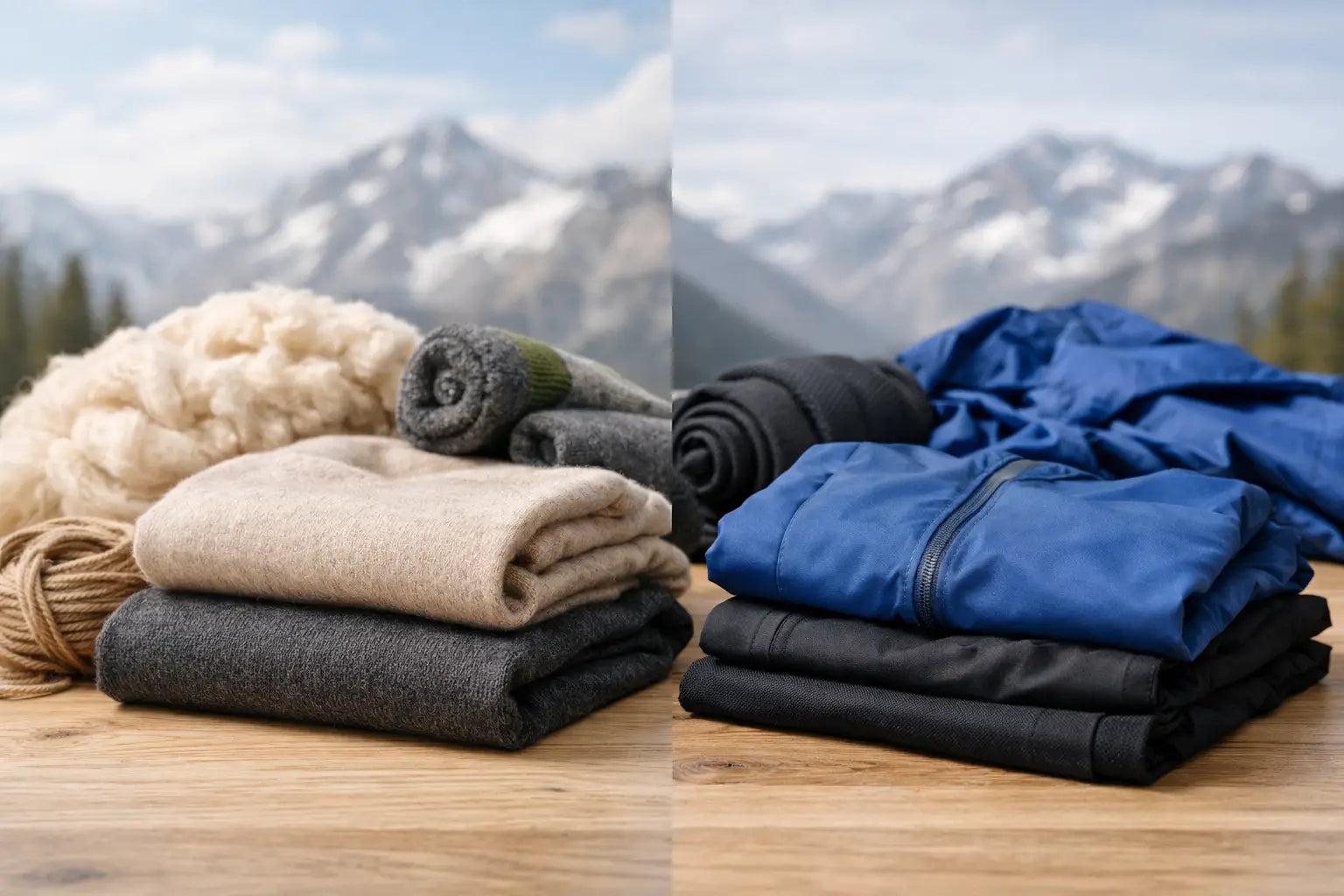

When choosing a fibre for socks, knitwear, base layers or everyday garments, the material makes a significant difference to comfort, performance and the long-term experience of the wearer.
Synthetic fibres such as polyester, nylon and acrylic have become essential materials in modern textile manufacturing. They can offer strength, affordability and versatile performance. But natural fibres such as wool—especially fine Merino wool—bring a unique combination of properties that synthetic fibres cannot easily replicate.
So what makes wool different?
One of the biggest differences between wool and synthetic fibres is that wool is not simply a passive material.
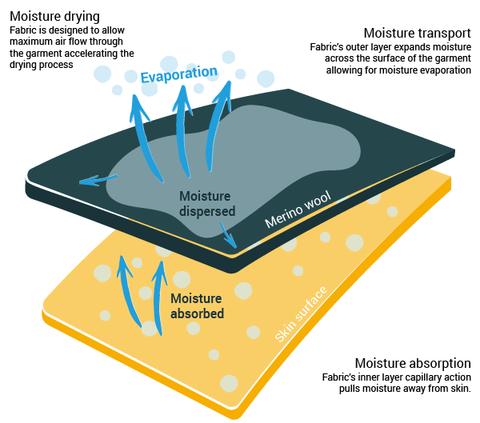
Merino wool naturally responds to changes in moisture and temperature. Its complex fibre structure helps regulate the microclimate between the fabric and the skin, helping the wearer stay comfortable as conditions change.
Synthetic fibres can certainly be engineered for moisture management and thermal performance, but wool achieves many of these characteristics naturally through the structure of the fibre itself.
During daily activity, the human body constantly produces moisture vapour.
Merino wool is hygroscopic, meaning the fibre can absorb and release significant amounts of moisture vapour. This helps move moisture away from the skin and can reduce the damp, clammy feeling associated with perspiration.
This is one reason wool is particularly well suited to socks, base layers and garments worn for long periods.
Odour is one area where wool has a particularly interesting advantage.
Merino wool can absorb moisture vapour and bind odour-causing molecules within the fibre. This helps garments remain fresher between washes. Research cited by The Woolmark Company has found that wool fabrics can retain substantially less body odour after wear than polyester and cotton.
This does not mean wool is antibacterial or that it eliminates all odour. Its advantage comes primarily from its moisture and odour-management properties.
For socks and next-to-skin garments, this can make a significant difference in everyday comfort.
Polyester, nylon and other synthetic fibres can be engineered to provide insulation or cooling characteristics. Wool has something different: natural thermoregulation.
Merino wool reacts to changes in body temperature and helps maintain a comfortable microclimate. It can help retain warmth in colder conditions while allowing excess heat and moisture to escape when the body becomes warmer.
This makes Merino wool suitable for a remarkably wide range of climates and activities.
A common misconception is that wool is naturally rough or itchy.
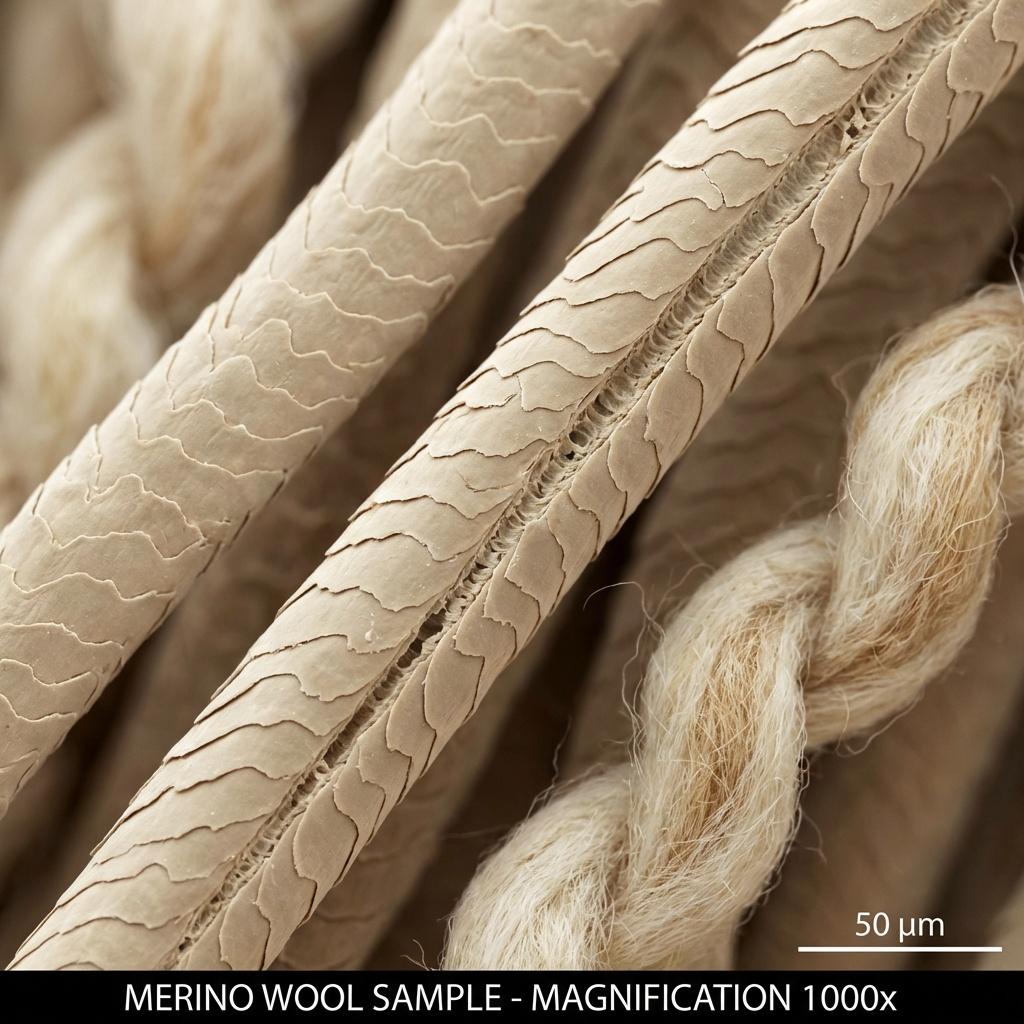
In reality, the feel of wool depends heavily on fibre diameter. Merino wool is available in very fine micron ranges, and finer fibres bend more easily against the skin, creating a softer and more comfortable sensation.
Superfine Merino wool is therefore particularly suitable for products worn directly against the skin, including premium socks, base layers and fine knitwear.
The sensation of itchiness associated with some wool products is generally related to coarse fibres that can protrude from the fabric and stimulate the skin.
Superfine Merino wool, with its much finer fibres, can provide a considerably softer next-to-skin experience. Research summarized by The Woolmark Company has also examined the use of superfine Merino garments for people with sensitive or eczema-prone skin.
Of course, individual skin sensitivity varies, so no fibre should be described as universally suitable for everyone.
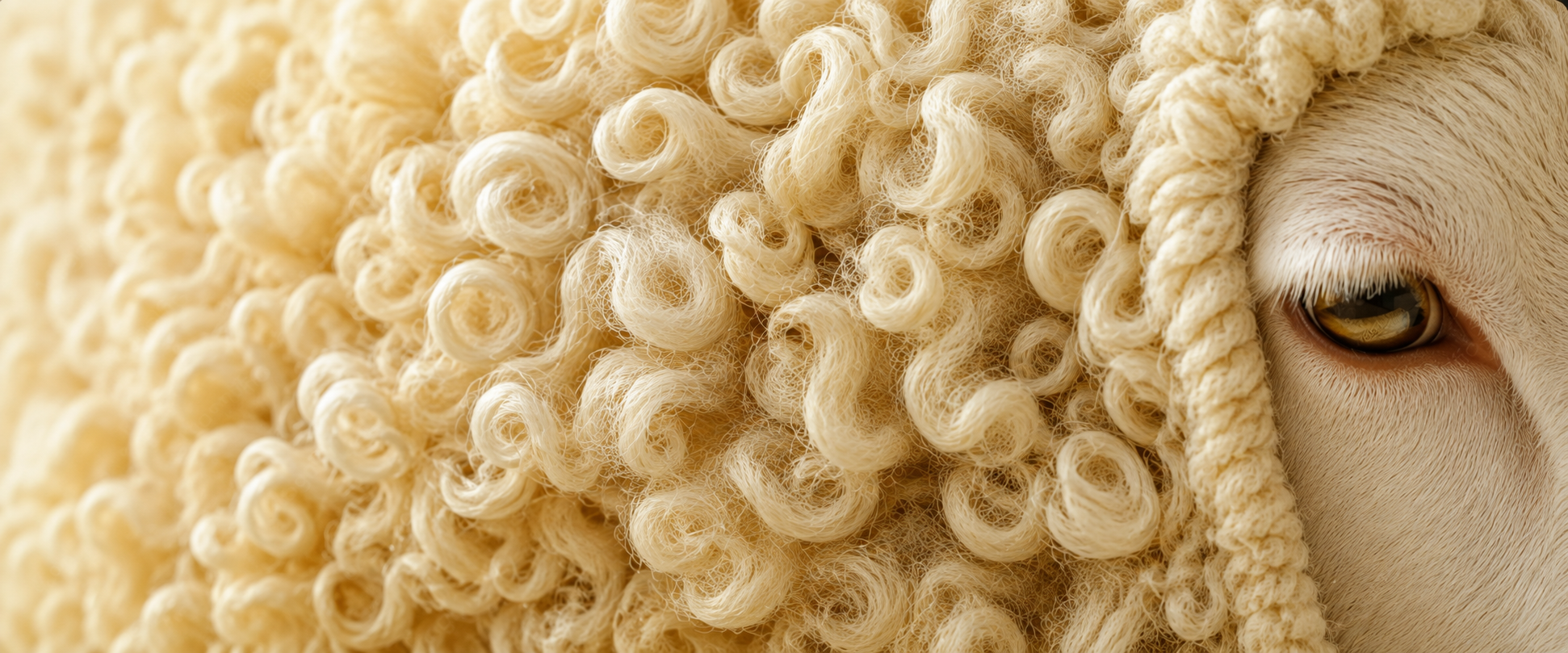
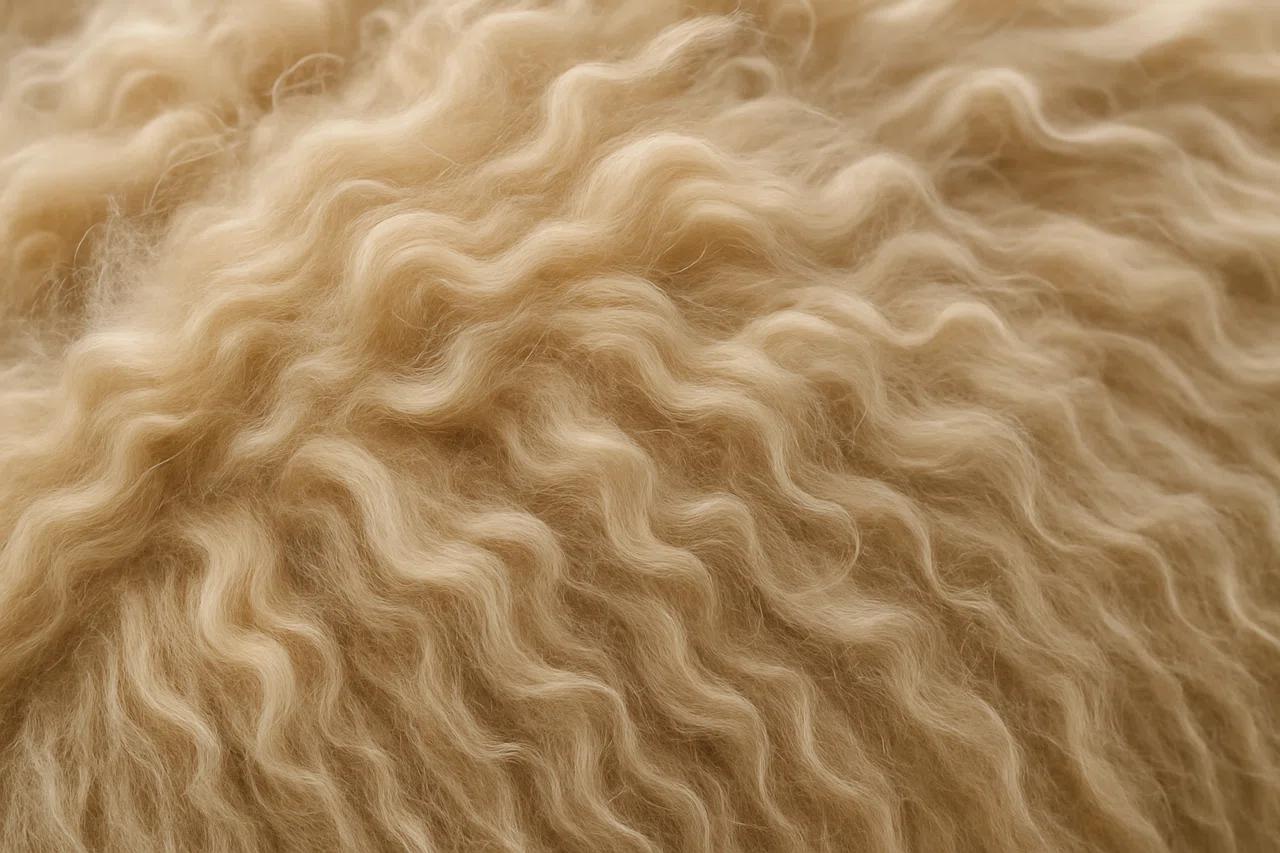
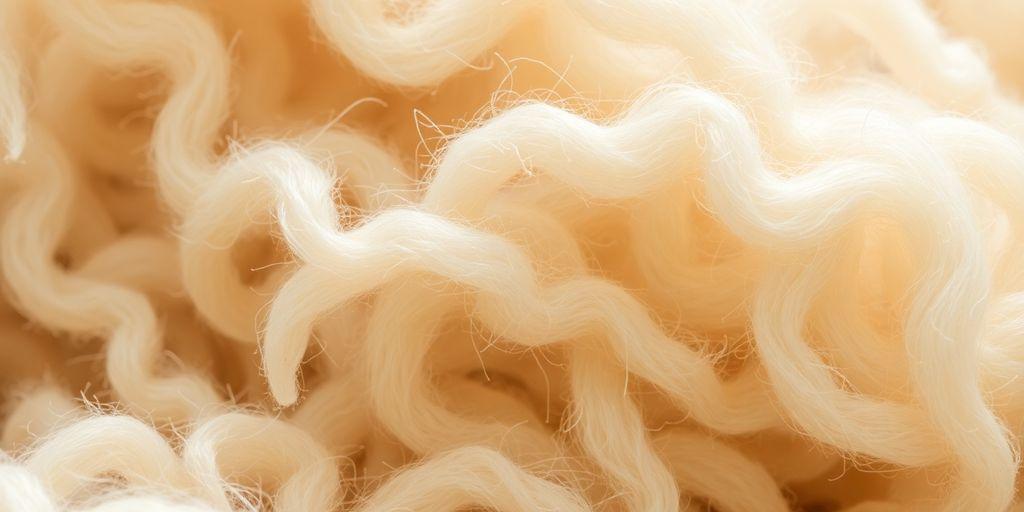
Wool fibres have a naturally crimped structure that behaves somewhat like a tiny spring.
This gives Merino wool garments natural stretch and recovery, helping them move with the body while maintaining their shape.
For socks and knitted garments, this natural elasticity can contribute to both comfort and durability.
Synthetic fibres are often chosen for their strength and abrasion resistance, and they remain extremely useful in demanding textile applications.
However, wool also offers impressive resilience. Its natural elasticity allows fibres to bend and recover repeatedly, while properly designed wool garments can maintain their appearance and performance over extended use.
The key is not simply choosing a fibre, but choosing the right fibre, yarn construction, blend and manufacturing process for the intended product.
There is no single fibre that is perfect for every application.
Synthetic fibres can provide excellent strength, consistency, quick-drying characteristics and cost efficiency. They are widely used throughout the textile industry for good reasons.
Wool, however, offers a different value proposition.
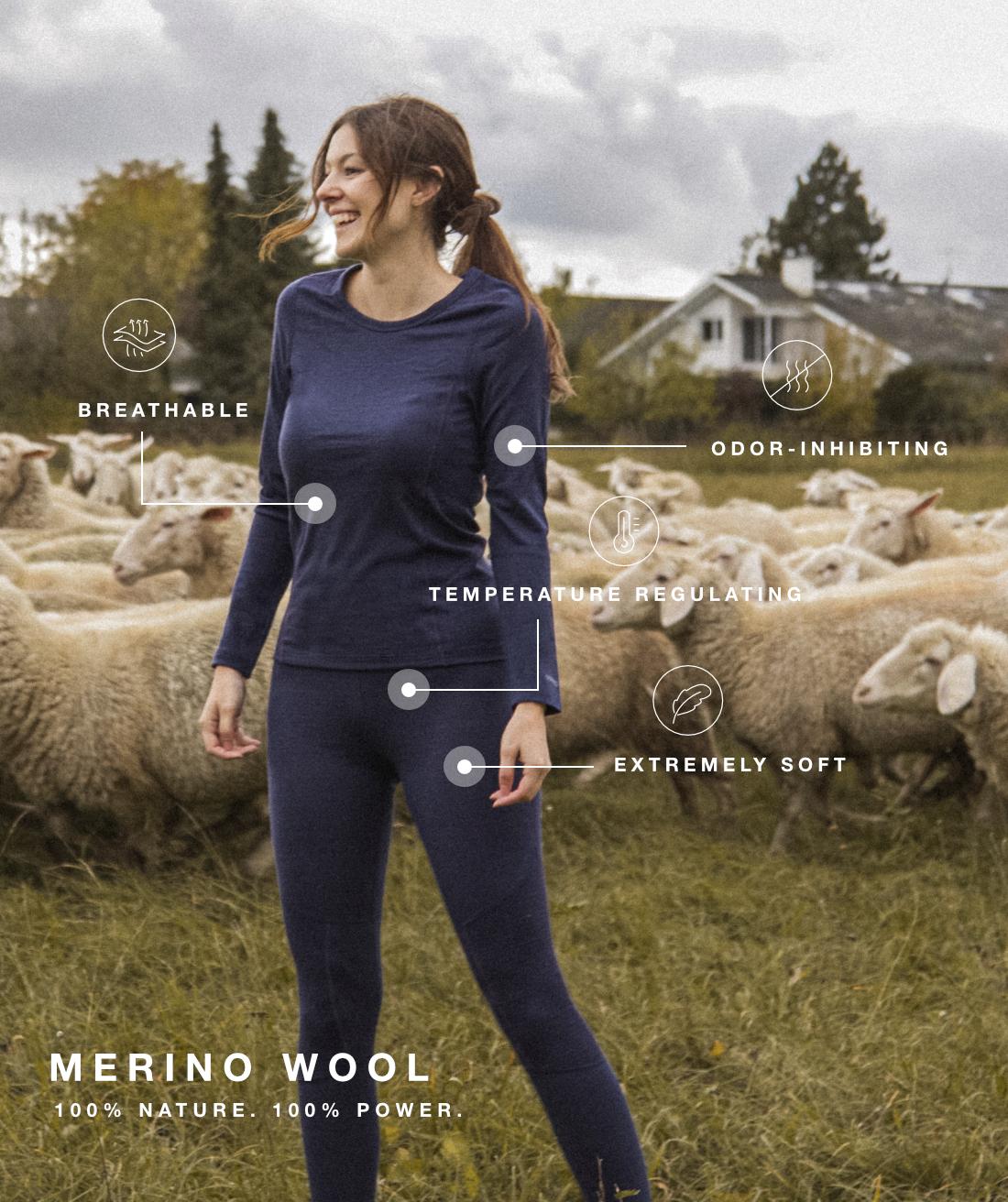
It is a natural, renewable fibre with inherent properties including breathability, moisture management, temperature regulation, elasticity and odour resistance.
For brands looking to develop premium products, these natural characteristics can become an important part of the product's identity.
Sustainability is becoming increasingly important in textile development.
Wool is naturally renewable because sheep grow a new fleece every year. Pure Merino wool is also biodegradable under suitable environmental conditions, unlike many conventional synthetic fibres that can persist in the environment for much longer.
This does not mean every wool product automatically has a lower environmental impact. Farming practices, processing, dyeing, transportation, garment lifetime and end-of-life treatment all matter.
But wool's natural, renewable and biodegradable characteristics make it an important fibre for brands exploring more responsible material choices.
The real advantage of Merino wool is not one single feature.
It is the combination.
Softness.
Breathability.
Moisture management.
Natural odour resistance.
Temperature regulation.
Elasticity.
Renewability.
Biodegradability.
Few natural fibres bring all of these characteristics together in one material.
That combination is what makes Merino wool particularly valuable for premium socks, knitwear, base layers and other next-to-skin products.
The question is not simply whether wool is better than synthetic fibres.
The better question is: What does the product need to achieve?
For applications where maximum strength, specific technical finishes or cost efficiency are the priority, synthetic fibres may be the right choice.
For products where softness, natural comfort, moisture management, odour resistance and temperature regulation are important, Merino wool offers a compelling alternative.
At Norseal Wool, we believe the best textile products begin with understanding the material.
By combining carefully selected wool fibres with modern manufacturing and custom production capabilities, we help brands, wholesalers and retailers create wool products designed around their specific requirements.
Natural fibre. Modern manufacturing. Made for your brand.
No account yet?
Create an Account

